What to carry with you
- Hair care can carry memory, belonging, creativity, grief, and resistance.
- No single style makes someone more authentic.
- Care becomes empowering when it expands choice rather than replacing one rule with another.
Overview
Natural hair care intersects biological fiber mechanics with rich cultural heritage, personal identity, and historical self-expression. Honoring the crown means pairing accurate anatomical science with empowering cultural practices that validate diverse textures without rigid perfectionism.
Hair is never only fiber
A strand can be described through keratin, cuticle, cortex, curl, and breakage. A hairstyle can also carry family practice, regional aesthetics, faith, profession, gender expression, political meaning, and personal memory. These layers do not cancel each other. Biology explains material behavior; culture explains why that behavior matters in lived experience.
For many people of African descent, hair has been a site of both creativity and regulation. The emotional charge around texture is not vanity. It is connected to histories of beauty standards, workplace expectations, school rules, commerce, and community.
Freedom includes more than one aesthetic
Natural texture can be a profound source of joy and reconnection. It should not become a new purity test. Wearing coils, braids, locs, a close cut, a wig, a press, or another style does not determine a person’s consciousness or worth.
A liberating care culture asks whether choices are informed, safe enough, accessible, and truly chosen. It leaves room for change. It respects that time, disability, work, climate, money, and personal preference shape routines.
Ritual can be practical and sacred
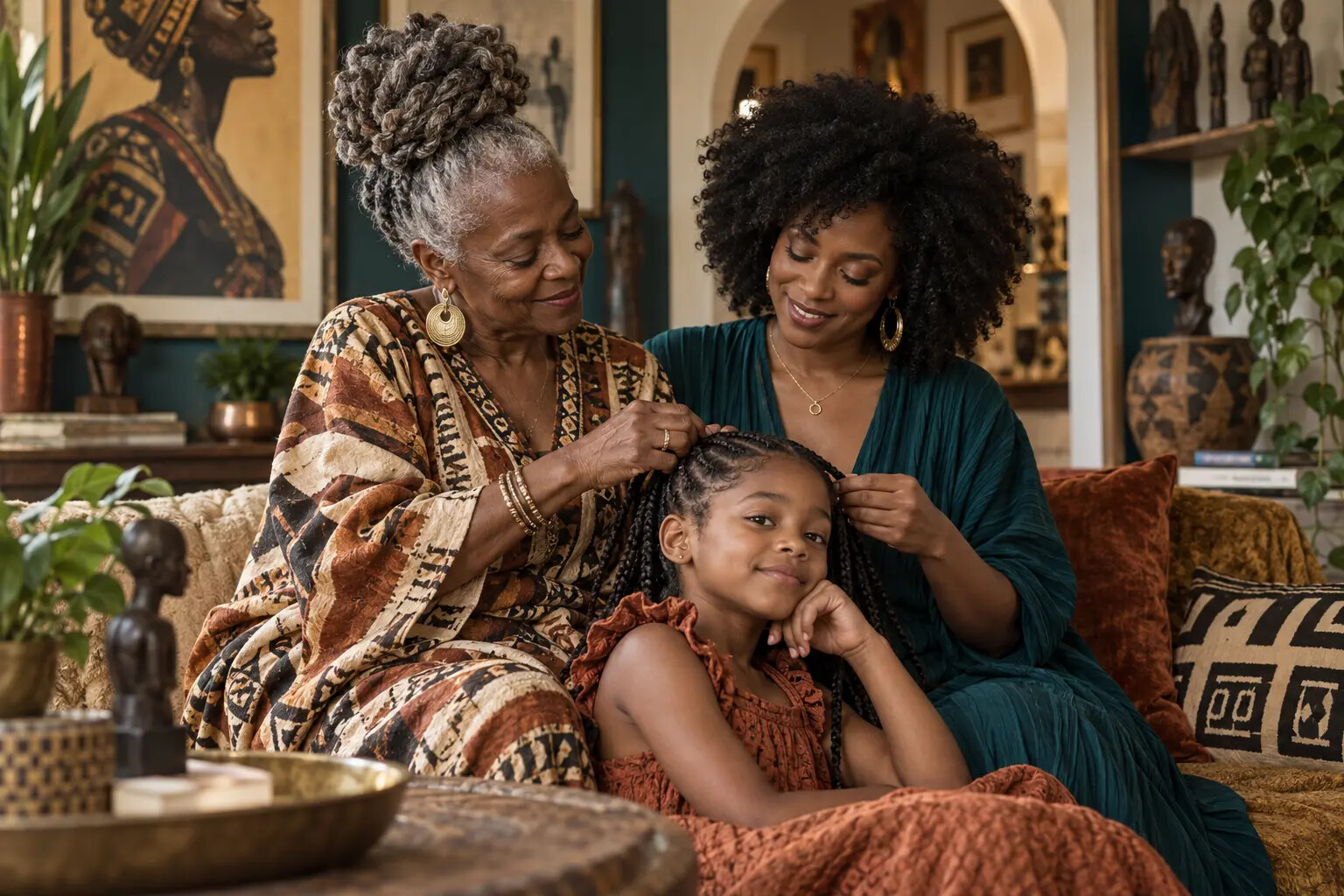
Wash day can be maintenance, intimacy, inherited technique, or quiet reflection. Braiding can be art and communication. A parent learning a child’s texture can be a form of attention. These meanings are real even when they are not laboratory claims.
We can honor that sacred dimension without turning metaphor into medical advice. Saying hair feels like a crown is cultural language; claiming every hair practice cures disease would require evidence of a different kind.
Build a language of respect
Describe texture without ranking it. Ask before touching. Avoid treating straightness as professionalism or coils as a problem to solve. Learn the names people choose for their own styles and identities. Celebrate technique while acknowledging origins.
The deepest purpose of knowledge is not control over other people’s choices. It is clearer consent, wider possibility, and greater care for the person beneath the style.
Frequently asked questions
Why is natural hair historically and culturally significant?
In many African and African diaspora societies, hairstyles communicated age, lineage, marital status, and community identity. In modern history, wearing natural hair has been an emblem of autonomy and self-acceptance.
How can you build a healthy relationship with your natural texture?
Focus on how your hair feels and functions rather than forcing it to conform to uniform beauty standards. Shift from high-friction manipulation toward gentle, comfortable care routines.
Does choosing to straighten hair mean disowning natural identity?
No. Autonomy over your body means having freedom to wear your hair in whatever style you choose without judgment or purity tests.
Sources & further reading
Sources support the educational statements in this guide. Product and routine choices remain individual.
American Academy of Dermatology: Black hair—tips for everyday careThis guide is educational and cannot diagnose hair or scalp conditions. Seek professional care for sudden or patchy loss, pain, sores, severe scaling, or persistent symptoms.